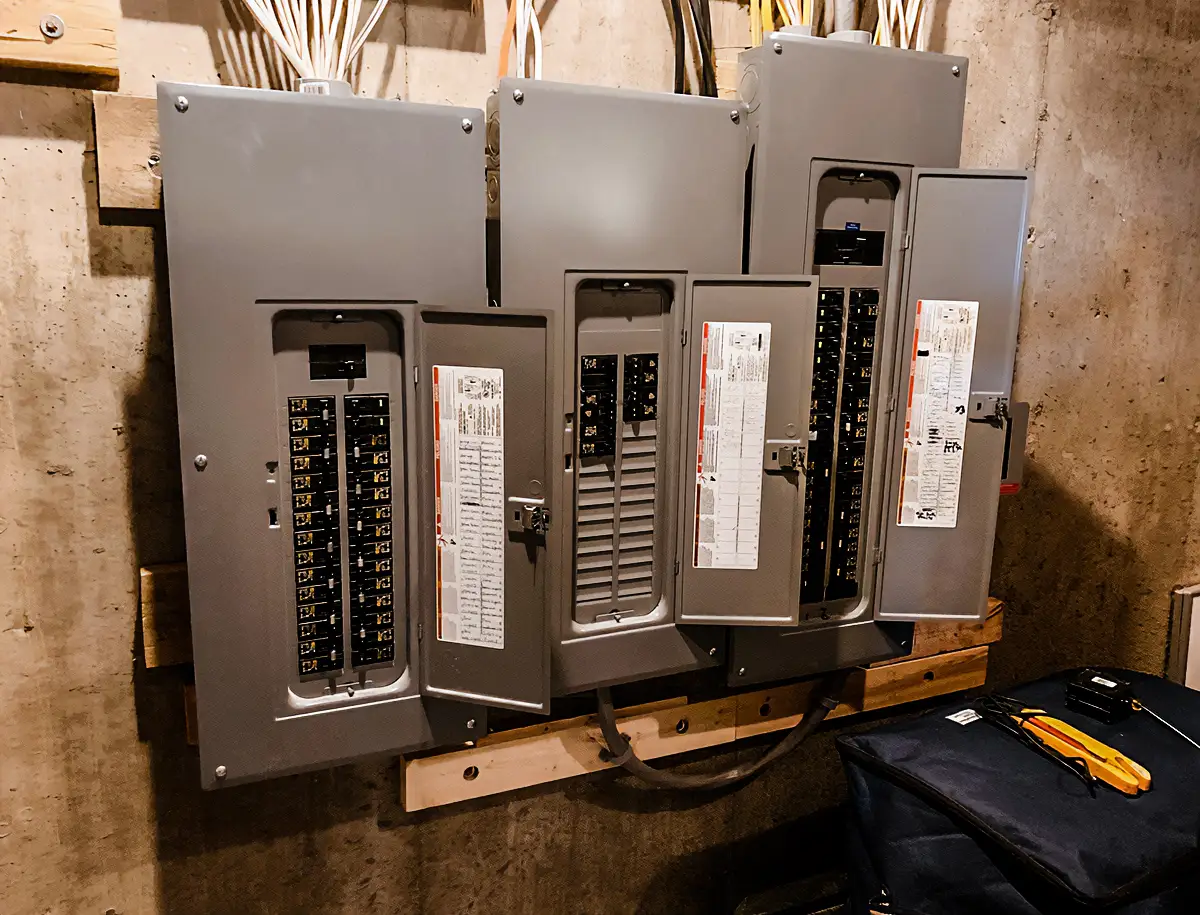
A panel replacement and a service upgrade are not the same project. Replacement addresses the panel itself. A service upgrade may also involve the utility connection, metering, conductors and other equipment. Choose the scope based on condition, calculated demand and future plans, not breaker-space count alone.
An EV charger, a remodel or new commercial equipment can expose limitations in an existing electrical system. But a tripping breaker does not automatically mean the whole service must be replaced. We R Electric LLC helps Denver-area property owners separate repair needs from capacity needs so the estimate addresses the actual problem.
When to request a professional evaluation
Repeated trips, flickering lights, unusual electrical odors and signs of overheating deserve attention. These symptoms can have different causes, so diagnosis should come before choosing a replacement scope. The Electrical Safety Foundation identifies frequent breaker trips, burning odors and discolored receptacles among electrical warning signs.
Do not repeatedly reset a tripping breaker or install a larger breaker to suppress the symptom. Stay away from damaged equipment. For smoke, active fire or an immediate threat, leave the area and call emergency services.
Repair, replacement and upgrade: three different scopes
A repair addresses a specific defect when the equipment can be safely returned to service with suitable components. A replacement changes equipment that is damaged, unsuitable or no longer practical to maintain. A capacity upgrade addresses additional electrical demand and may affect more than the panel.
Ask the estimator to identify what is changing and why. The written scope should distinguish the panel, breakers, feeder or service conductors, metering, grounding and bonding, and any utility work. We R Electric offers residential, commercial and light-industrial panel and service work.
Does a home need 200 amps?
A 200-amp service offers greater nominal capacity than a 100-amp service, but it is not automatically the correct answer for every home. The decision should reflect the electrical demand and planned equipment.
Bring a list of upcoming additions such as an EV charger, heat pump, hot tub, kitchen remodel or workshop equipment. Coordinating these plans can help avoid buying one upgrade now and changing the same equipment again later.
Commercial upgrades require operational planning
For commercial properties, the conversation should cover voltage, phase, distribution equipment, tenant loads and planned expansion. Nameplate ratings, existing drawings and accurate equipment schedules help define the project.
Discuss shutdown windows with tenants and facility managers before work is scheduled. Identify who is responsible for utility coordination, temporary operating arrangements, equipment lead times and required design documents. Do not assume every facility can remain fully operational during a service change.
What belongs in a useful estimate?
Request a clearly defined equipment scope, an explanation of the capacity evaluation, permit and inspection responsibilities, utility dependencies and the expected interruption to service. Existing conditions found after access may need separate pricing.
Comparing only the advertised price of a breaker panel can miss most of the work. Compare estimates for the same complete scope and ask how future additions were considered.
Get a scope built around your property
Request a free installation or upgrade estimate from We R Electric LLC. Share the equipment you want to add and any existing inspection findings. Ask about diagnostic fees when arranging troubleshooting.
faqS
Will replacing the panel give me more power?
Not necessarily. A replacement can retain the same service capacity. Increasing available capacity may require changes upstream and utility coordination.
Does a frequently tripping breaker need a larger replacement?
No. The circuit and connected equipment must be evaluated first. Increasing a breaker rating without a proper design can defeat circuit protection.
Can a commercial upgrade be phased?
Sometimes. The feasibility depends on the distribution arrangement, operating needs, utility requirements and safe shutdown procedures.